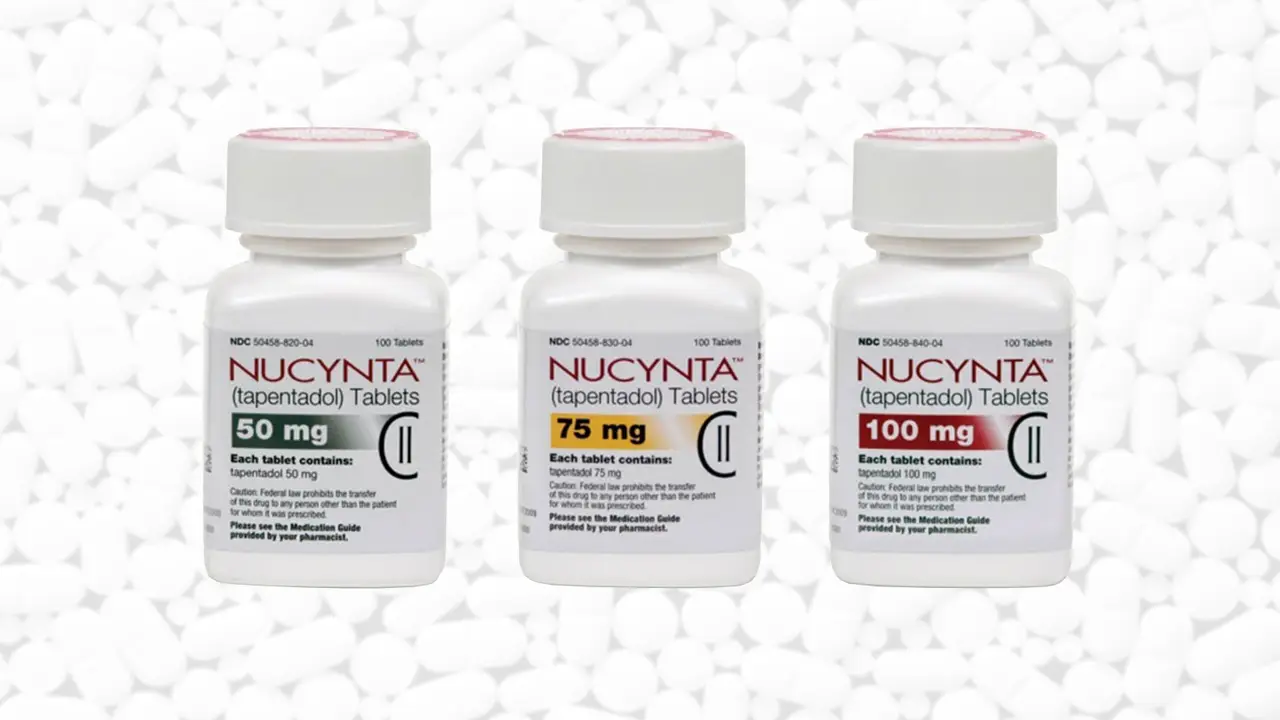
Buy Tapentadol / Nucynta 100 mg Tablets Online
Buy Tapentadol (Nucynta) Online Without Prescription
Nucynta ER (tapentadol) is an opioid used to relieve short term moderate to severe pain. It is the extended-release version of Nucynta, and may be taken twice daily instead of every four to six hours. Tapentadol is a controlled substance and a new prescription must be obtained for each fill. There is no generic version of Nucynta ER available.
What is Nucynta (Tapentadol)?
Nucynta (tapentadol) is indicated for the management of Pain severe enough to require daily, around-the-clock, long-term opioid treatment and for which alternative treatment options are inadequate. Neuropathic pain associated with diabetic peripheral neuropathy (DPN) severe enough to require daily, around-the-clock, long-term opioid treatment and for which alternative treatment options are inadequate. Prolonged-release tapentadol (Nucynta ER) is for the 24-hour treatment of pain that is not controlled by other medications. This form of tapentadol is not intended for use as needed for pain. Tapentadol may also be used for purposes not listed in this guide.
| Drug Name: | Nucynta (Tapentadol) |
| Tablet Strength (mg): | 50mg, 100mg |
| Available Packages (pills): | 30, 60, 90, 120, 180, 240 |
| Best Price Per Pill: | From $1.75 |
| Where to buy Online: |
Online Pharmacy |
What important information should I know about Nucynta (tapentadol)?
If you take opioid medicine during pregnancy, your baby may become addicted to the drug. This can cause life-threatening withdrawal symptoms in the baby after he or she is born. Babies born dependent on opioids may need treatment for several weeks. Ask your doctor before using opioid medicine if you are breastfeeding. Tell your doctor if you notice severe sleepiness or slow breathing in your baby. Do not give tapentadol to your baby. You should not use tapentadol if you are allergic to it or if you have: severe asthma or breathing problems; stomach or intestinal obstruction, including paralytic ileus. Tell your doctor if you have ever had: breathing problems, sleep apnea; head injury, brain tumor, or seizures; alcohol or drug abuse; mental illness; urinary problems; liver or kidney disease; or problems with your gallbladder, pancreas, thyroid, or adrenal glands.
If you stop using Tapentadol suddenly, you may experience withdrawal symptoms. Check with your doctor before stopping the medication. Store at room temperature away from moisture and heat. Keep an eye on your medicine. You should know if someone is using it improperly or without a prescription. Do not keep leftover opioid medicine. Just one dose can be fatal to someone who accidentally or improperly uses the medicine. Ask your pharmacist where to find a drug take-back program. If there is no take-back program, flush unused medication down the toilet.
How should I take Nucynta (tapentadol)?
Nucynta (tapentadol) is available in 50 mg, 75 mg, and 100 mg doses. Use the lowest effective dose for the shortest period of time according to your individual treatment goals. Individualize dosage according to pain severity, response, previous experience with pain treatment, and risk factors for addiction, abuse, and misuse.
Use Nucynta (tapentadol) exactly as directed or as prescribed by your doctor. Do not use more or less or for longer than recommended.
Follow the directions on the prescription label and read all medication guides. Do not use tapentadol in larger amounts or for longer than prescribed. Tell your doctor if you feel an increased urge to take more of this medication.
Never share opioid medications with others, especially those with a history of addiction. misuse can lead to addiction, overdose, or death. Keep your medicine in a place where others can’t get to it.
Stop taking any other medications that contain tapentadol or tramadol when you start taking tapentadol extended-release tablets.
Take this medicine by mouth with a full glass of water. Take this medicine with meals.
Do not crush, break, or open the extended-release tablet. Swallow the tablet whole to avoid a potentially fatal dose.
Tapentadol may cause constipation. Talk to your doctor before using a laxative or stool softener to treat or prevent this side effect.
Patients may be switched from Nucynta to Nucynta ER by taking the equivalent total daily dose of Nucynta and dividing it into 2 equal doses separated by approximately 12 hour intervals. For example, a patient receiving 50 mg of Nucynta 4 times daily (200 mg/day) could be switched to 100 mg of Nucynta ER every 12 hours.
What side effects may I notice from Nucynta?
Get emergency medical help if you have signs of an allergic reaction: hives chest pain, fast heartbeat, difficulty breathing swelling of your face, lips, tongue, or throat. Opioid medications can slow or stop your breathing, which can lead to death. Your caregiver should give you naloxone and/or get emergency medical help if you have slow breathing with long pauses, blue lips, or if you have difficulty waking up. Call your doctor immediately if you have:
- ragged breathing, sighing, shallow breathing, breathing with pauses
- a slight feeling that you may lose consciousness
- restlessness, feeling hot
- severe drowsiness or dizziness, confusion, problems with speech or balance
- seizure
- serotonin syndrome – agitation, hallucinations, fever, fast heartbeat, muscle stiffness, twitching, loss of coordination, nausea, diarrhea
- low cortisol – nausea, vomiting, loss of appetite, dizziness, increased tiredness or weakness.
Serious breathing problems may be more likely in the elderly and weakened or in people with debilitating syndrome or chronic breathing problems. Common side effects may include:
- constipation, nausea, vomiting, stomach pain
- headache, fatigue
- drowsiness, dizziness
Tapentadol – Modern Approach to Moderate and Severe Pain Management
Tapentadol represents one of the most refined developments in contemporary analgesic pharmacology, combining dual mechanisms of action within a single molecule. It acts both as a mu-opioid receptor agonist and as a norepinephrine reuptake inhibitor, creating a synergistic effect that targets multiple pathways of pain transmission. This hybrid pharmacodynamic profile differentiates tapentadol from classical opioids that rely almost exclusively on opioid receptor activation, which often leads to a higher burden of adverse effects. By engaging descending inhibitory pathways through norepinephrine modulation, tapentadol contributes to a more nuanced regulation of nociceptive signaling and offers a sophisticated strategy for addressing moderate to severe pain of diverse origins.

From a pharmacokinetic perspective, tapentadol demonstrates rapid gastrointestinal absorption and predictable linear kinetics over a wide dosing range. The onset of analgesic action typically aligns with clinical expectations for immediate-release formulations, while extended-release preparations maintain stable plasma concentrations over a 12-hour interval. Unlike several older opioids that depend heavily on cytochrome P450 metabolism, tapentadol undergoes extensive phase 2 conjugation, reducing the risk of clinically significant drug–drug interactions mediated by CYP isoenzymes. This metabolic profile makes tapentadol particularly attractive in complex therapeutic regimens where polypharmacy is frequent and metabolic competition can compromise safety or efficacy of concomitant medications.
Another distinctive feature of tapentadol as a modern analgesic lies in its favorable gastrointestinal tolerability when compared with many traditional opioids at equianalgesic doses. By reducing the relative contribution of pure mu-opioid receptor activation to the total analgesic effect, the drug may be associated with a lower incidence of opioid-related constipation, nausea, and vomiting in appropriately selected individuals. This does not eliminate the possibility of such reactions, but the relative tolerability profile can significantly influence adherence to long-term pain regimens. A medication that offers robust pain relief with fewer disruptive gastrointestinal events can support more stable daily functioning, particularly for those who rely on consistent analgesia to maintain occupational and social roles.
The extended-release formulations of tapentadol have been specifically optimized for chronic pain states, including neuropathic and mixed nociceptive-neuropathic syndromes. By providing a controlled release of the active substance, these formulations help avoid sharp peaks and troughs in plasma levels, which can otherwise translate into fluctuating analgesia and variable side effect intensity. Stable exposure supports smoother pain trajectories throughout the day and night, contributing to more predictable symptom control. For individuals with persistent pain conditions, such predictability often translates into enhanced confidence in their treatment plan and a greater ability to plan daily activities around a stable baseline of comfort.
Modern pain management increasingly values not only analgesic potency but also functional outcomes, such as mobility, sleep quality, and cognitive performance. Tapentadol aligns well with this paradigm because of its balanced pharmacology and carefully studied dosing strategies in both acute and chronic pain settings. Clinical research has explored its role in musculoskeletal pain, osteoarthritis, neuropathic pain related to diabetic polyneuropathy, and postsurgical pain, demonstrating robust analgesia with a safety profile that compares favorably to several established opioids. As therapeutic goals in pain medicine evolve from mere symptom suppression toward restoration of quality of life, tapentadol stands out as a pharmacological tool designed to support this broader, function-oriented perspective.
Why Tapentadol Works When Other Analgesics Are Not Effective
The efficacy of tapentadol in situations where other analgesics fail often begins with its dual mechanism of action, which addresses both ascending and descending components of the pain pathway. Many conventional opioids primarily dampen ascending nociceptive transmission via mu-opioid receptor activation in the central nervous system. While this mechanism can be powerful, it may not sufficiently engage the descending inhibitory systems that modulate pain perception. Tapentadol, by inhibiting norepinephrine reuptake, enhances endogenous inhibitory control, effectively amplifying the body’s own mechanisms for dampening pain signals. This dual engagement of mu-opioid and noradrenergic systems can yield clinically meaningful benefits in complex pain states that are poorly responsive to single-mechanism drugs.
Another reason tapentadol may succeed when other analgesics seem inadequate lies in its particular suitability for mixed pain syndromes, where nociceptive and neuropathic components coexist. Traditional nonsteroidal anti-inflammatory drugs primarily target peripheral inflammatory mechanisms and often show limited benefit in neuropathic pain. Classical opioids can help but sometimes provide incomplete relief when central sensitization and altered neural processing dominate the clinical picture. Tapentadol’s noradrenergic component interacts with spinal and supraspinal pathways that are especially relevant to neuropathic and centralized pain, making it a rational option when pain has both tissue-damage and nerve-injury characteristics.
Pharmacogenetic variability can also contribute to the superior performance of tapentadol in certain individuals compared with other analgesics. Several opioids rely heavily on CYP2D6 or CYP3A4 for bioactivation or clearance, making their effects sensitive to genetic polymorphisms and to metabolic inhibition or induction by other drugs. Tapentadol, with its predominant phase 2 glucuronidation and minimal involvement of polymorphic CYP enzymes, tends to show more predictable exposure across diverse populations. For individuals who are poor or ultra-rapid metabolizers of specific CYP pathways, tapentadol may provide a more consistent and reliable analgesic effect than agents whose efficacy depends on variable metabolic activation.
Clinical experience has shown that tolerability and efficacy are intimately linked; when side effects are intense, dose escalation becomes impractical, and the apparent “ineffectiveness” of a drug may reflect an inability to reach therapeutic doses. Tapentadol’s relatively favorable gastrointestinal and central nervous system tolerability at equianalgesic doses allows many individuals to reach and maintain effective dosing levels. This capacity to titrate within a therapeutic window without rapidly encountering intolerable adverse effects can translate into superior real-world analgesia compared with medications that, on paper, might have similar potency but are limited by poor tolerability at higher doses.
Another dimension that explains tapentadol’s success where other options fail relates to its performance in chronic conditions where central sensitization and affective components of pain play a critical role. By influencing noradrenergic signaling, tapentadol interacts with neural circuits implicated not only in sensory discrimination of pain but also in its emotional valuation. While it is not an antidepressant and should not be conceptualized as such, the modulation of descending pathways can indirectly affect the perceived burden of pain and help reduce the intrusive, exhausting quality that characterizes chronic pain syndromes. This nuanced impact on the multidimensional experience of pain helps explain why tapentadol can transform clinical trajectories even after multiple previous analgesic trials have been disappointing.
Where to Obtain Tapentadol Legally and Safely
Tapentadol belongs to the group of controlled analgesic substances, and its distribution is tightly regulated to balance clinical utility with public health safeguards. Legal acquisition generally occurs through licensed community or hospital pharmacies that operate under national and regional regulatory frameworks. These pharmacies are subject to inspection, inventory control, and documentation requirements that track every unit of tapentadol from manufacturer to end user. Such systems are designed to ensure that the product dispensed is authentic, properly stored, and traceable back through the supply chain, thereby minimizing the risk of counterfeit or degraded medication entering circulation.
Brick-and-mortar pharmacies provide a transparent and auditable environment for dispensing tapentadol, including verification of prescriptions and adherence to controlled-substance recordkeeping. They receive supplies directly from authorized wholesalers or manufacturers, who themselves must comply with stringent quality and security standards. Temperature and humidity controls, secure storage for high-risk medications, and clear procedures for handling expired or damaged stock contribute to the integrity of the product that ultimately reaches individuals in need of analgesia. For controlled analgesics such as tapentadol, such infrastructure is not a mere formality but a critical safeguard against substitution, contamination, or diversion.
- Licensed community pharmacies with controlled-substance permits
- Accredited hospital pharmacies serving inpatient and outpatient settings
- Certified mail-order pharmacies operating under national regulatory oversight
- Online platforms verified through official pharmacy accreditation programs
In many regions, mail-order and online pharmacies have become an important channel for legal and safe access to tapentadol, especially for individuals with mobility limitations or those living in remote areas. However, only platforms that hold formal accreditation and appear in official registries of licensed pharmacies can provide the same level of quality assurance as traditional outlets. Accredited services operate with prescription verification, controlled shipping procedures, and tamper-evident packaging. They also maintain secure databases for tracking controlled-substance dispensing, which allows regulators to monitor patterns of use and detect irregularities that could signal misuse or diversion.
National and regional regulatory agencies often maintain publicly accessible lists of authorized pharmacies, including those permitted to dispense controlled analgesics such as tapentadol. These registries may include information about the pharmacy’s license status, disciplinary history, and accreditation with recognized quality-assurance programs. Individuals and institutions that rely on tapentadol can use such resources to confirm that their chosen supplier operates within the legal framework and adheres to best practices in medication handling. By aligning procurement with these verified channels, the therapeutic advantages of tapentadol can be harnessed within a system that prioritizes safety, authenticity, and regulatory compliance.
Another dimension of legal and safe access involves the way tapentadol is stored and managed after it leaves the pharmacy. Controlled-substance regulations often specify requirements for secure storage, recordkeeping, and disposal that apply not only to institutional settings but also, in some jurisdictions, to individuals and caregivers. Adherence to these regulations helps prevent unintentional access by unauthorized persons and reduces the likelihood that tapentadol will be diverted into non-medical channels. When the entire pathway from manufacturer to end user is governed by robust legal and logistical safeguards, tapentadol can serve as a powerful and reliable component of modern pain management strategies.
What Risks Are Associated with Buying Tapentadol Online
The digital marketplace has expanded access to medications, but it has also introduced significant risks when controlled analgesics like tapentadol are purchased from unverified sources. One of the most serious concerns is the circulation of counterfeit products that may contain incorrect active ingredients, inappropriate dosages, or dangerous contaminants. Such counterfeit tablets can be visually convincing while offering little or no genuine analgesic effect, or worse, containing potent adulterants that dramatically increase toxicity. When pain management relies on a medication as powerful as tapentadol, the margin for error is small, and the consequences of ingesting falsified products can be severe.
Unregulated online vendors frequently bypass prescription requirements, undermining the structured safeguards that accompany legitimate dispensing. Without appropriate clinical oversight, there is a heightened risk that tapentadol will be used in doses or combinations that significantly increase the likelihood of respiratory depression, profound sedation, or hazardous interactions with other central nervous system depressants. The absence of proper screening for contraindications and concurrent medications means that underlying conditions such as severe respiratory disease, hepatic impairment, or history of substance use disorder may go unrecognized. This unfiltered access can transform a precisely engineered therapeutic tool into a vehicle for preventable harm.
Data security and privacy represent additional dimensions of risk when tapentadol is purchased through unregulated online channels. Illegitimate websites may collect personal, financial, and health-related information without robust encryption or compliance with data-protection regulations. Such information can be misused for identity theft, financial fraud, or unauthorized marketing of additional controlled substances. For individuals already coping with the challenges of chronic pain, the added burden of compromised personal data can be particularly distressing and may lead to long-term consequences that extend far beyond the immediate transaction.
Another concern involves the legal ramifications of purchasing controlled substances from unauthorized online sources. Many jurisdictions classify such transactions as violations of controlled-substance laws, with potential penalties that range from fines to criminal charges, especially when quantities exceed thresholds established for personal use. Even when enforcement is inconsistent, the legal uncertainty itself can create anxiety and complicate future interactions with regulatory or insurance systems. Legitimate pain management strategies are designed to operate within a clear legal framework, whereas unregulated online purchases introduce an avoidable layer of legal risk that can overshadow any short-term convenience.
The absence of quality assurance in storage, handling, and shipping further amplifies the dangers associated with unverified online purchases of tapentadol. Medications may be stored in uncontrolled environments with extreme temperatures or humidity, shipped without tamper-evident packaging, or repackaged in ways that obscure their origin and expiration dates. Such conditions can degrade the active ingredient or alter excipient properties, reducing efficacy and potentially increasing the likelihood of adverse reactions. A drug as pharmacologically potent as tapentadol requires a tightly controlled supply chain to preserve its therapeutic profile, and informal online markets are structurally incapable of providing such guarantees.
Comparing Tapentadol Prices in Licensed Pharmacies
The price of tapentadol in licensed pharmacies reflects a complex interplay of manufacturing costs, regulatory requirements, distribution logistics, and national reimbursement policies. Brand-name formulations often carry higher list prices due to research and development investments, post-marketing surveillance obligations, and promotional activities. However, these prices are frequently modulated by insurance coverage, public reimbursement schemes, or negotiated discounts, which can substantially reduce out-of-pocket expenses. When comparing prices, it becomes clear that the apparent cost at the point of sale may not accurately represent the net economic burden once these mechanisms are factored in.
Geographic variation exerts a pronounced influence on tapentadol pricing, even among countries with comparable economic status. Differences in patent landscapes, generic entry timelines, and national price-control policies can lead to significant disparities in both wholesale and retail prices. In some markets, reference-pricing systems benchmark tapentadol against other opioids or analgesics, thereby constraining the maximum reimbursable price. In others, free-market dynamics allow broader price dispersion, creating incentives for patients and institutions to shop around within the network of licensed pharmacies. Such variability underscores the value of transparent pricing information and comparative tools for those seeking cost-effective analgesic regimens.
Within a single country, tapentadol prices may vary between community pharmacies, hospital outpatient pharmacies, and accredited mail-order services. Hospital-based pharmacies sometimes benefit from bulk purchasing agreements that lower acquisition costs, which may or may not translate into reduced charges for individuals, depending on institutional policies. Mail-order pharmacies can achieve economies of scale in distribution, potentially offering competitive pricing for chronic users who receive regular refills. Community pharmacies, on the other hand, may provide more personalized service and flexible stocking practices, which can influence the availability of specific strengths or formulations at given price points.
Insurance design plays a decisive role in shaping the real-world affordability of tapentadol. Tiered formularies, prior authorization requirements, and quantity limits can influence whether the drug is positioned as a first-line, second-line, or reserved option for moderate to severe pain. Co-payment structures may differ between brand-name and generic products, between immediate-release and extended-release formulations, and between retail and mail-order channels. Where tapentadol is placed favorably on formularies, individuals often experience reduced financial barriers, while restrictive placement can shift demand toward alternative opioids or non-opioid regimens, even when tapentadol might offer clinical advantages.
Another factor in price comparison involves the time horizon of therapy. For acute postoperative pain, the cost of a short course of tapentadol may be less significant than its rapid and reliable analgesic effect. In chronic conditions requiring months or years of treatment, cumulative costs become a central consideration, and small differences in monthly price can translate into substantial long-term expenditures. Generic entry, manufacturer discount programs, and evolving reimbursement policies can all alter the cost landscape over time. Regular re-evaluation of available options within licensed pharmacies helps align the economic dimension of tapentadol therapy with its substantial clinical value.
How to Get a Prescription for Tapentadol
The pathway to obtaining a prescription for tapentadol is based on a documented medical evaluation that confirms a clear therapeutic indication for opioid analgesic therapy. Within our clinical practice, the process begins with detailed assessment of pain characteristics, including intensity, duration, anatomical source, and impact on physical and psychosocial functioning. Medical history is reviewed to identify prior treatment attempts, responses to non-opioid medications, interventional procedures, and supportive therapies. Objective findings such as diagnostic imaging, laboratory data, or postoperative documentation are incorporated when clinically relevant. A prescription is considered when medical records demonstrate that previous strategies have not provided adequate relief and that escalation of pharmacologic management is justified by measurable functional impairment.
Telemedicine consultations conducted by Dr. Francisco Azar follow the same clinical standards as in-person assessments. Virtual encounters include comprehensive history review, verification of identity, and secure electronic documentation of medical findings. When clinical criteria are met, prescriptions are transmitted electronically using compliant systems that maintain confidentiality and data integrity. Integration of telehealth services expands access to pain management evaluation while preserving the structured assessment and documentation framework applied across all patient encounters within our practice.
A structured evaluation of patient-specific factors accompanies every prescribing decision. This assessment includes analysis of comorbid conditions, current medication profile, history of analgesic response, and potential pharmacologic interactions. Particular attention is given to hepatic and renal function, respiratory status, and coexisting neurologic or psychiatric diagnoses that may influence medication selection. Individualized dosing strategy is determined according to clinical presentation, prior opioid exposure, and anticipated duration of therapy. Documentation reflects the rationale for choosing tapentadol over alternative agents, ensuring that the therapeutic approach aligns with contemporary evidence-based pain management standards.
Prescription authorization follows established legal and administrative protocols designed to ensure secure and traceable dispensing. Electronic prescribing platforms meeting federal security standards are utilized for transmission to licensed pharmacies. Each prescription specifies dosage form, strength, administration schedule, and quantity appropriate to the clinical scenario. Insurance review processes may require submission of supporting documentation describing prior treatment history and current medical necessity. When coverage criteria are satisfied, dispensing proceeds in accordance with applicable pharmacy regulations and verification procedures.
Continuation of therapy is determined through periodic reassessment of analgesic efficacy and functional outcomes. Follow-up evaluations document changes in pain scores, physical capacity, sleep quality, and overall daily activity levels. Tolerability profile, gastrointestinal function, cognitive clarity, and hemodynamic stability are reviewed as part of routine monitoring. Treatment adjustments, including titration or modification of formulation, are based on documented clinical response. The prescribing record reflects measurable benefit in relation to baseline status, supporting continuity of care within established therapeutic goals.
Generic Tapentadol Options and Market Availability
Tapentadol is marketed under several established brand names as well as multiple approved generic equivalents depending on the country and regulatory jurisdiction. In the United States, the primary branded products are Nucynta for the immediate-release formulation and Nucynta ER for the extended-release formulation. In certain international markets, tapentadol is distributed under alternative brand names such as Palexia and Palexia SR. These branded products contain tapentadol hydrochloride as the active ingredient and differ primarily in release mechanism and market authorization region rather than pharmacologic composition.
Generic tapentadol products are approved following expiration of exclusivity periods and must demonstrate bioequivalence to the original reference product. In the U.S. market, FDA-approved generic tapentadol immediate-release tablets are manufactured by several companies, including Collegium Pharmaceutical, Amneal Pharmaceuticals, Lupin Pharmaceuticals, Sun Pharmaceutical Industries, and Zydus Pharmaceuticals. Each manufacturer markets tapentadol hydrochloride tablets in dosage strengths equivalent to the reference product. Approved generic extended-release formulations are also available through selected manufacturers and are labeled as tapentadol extended-release tablets.
Internationally, generic tapentadol is distributed under the nonproprietary name “tapentadol” or “tapentadol hydrochloride” with manufacturer-specific labeling. In the European Union and Australia, branded Palexia and Palexia SR products have been complemented by generic tapentadol versions produced by companies such as Teva Pharmaceuticals and other regionally authorized manufacturers. Product naming conventions vary by country, but regulatory approval requires identical active substance concentration, dosage form, and defined bioequivalence parameters compared to the originator brand.
The distinction between branded and generic tapentadol products relates primarily to trademark ownership and marketing authorization rather than clinical differences. All approved generics must meet established standards for pharmaceutical equivalence, including identical active ingredient, dosage strength, route of administration, and performance characteristics. Packaging, tablet appearance, and excipient composition may differ, but therapeutic exposure parameters must remain within accepted regulatory ranges. These requirements ensure comparable systemic availability and analgesic effect across approved products.
Market availability of specific generic manufacturers may change over time due to supply chain dynamics, patent settlements, or distribution agreements. Pharmacy dispensing records typically reflect the nonproprietary name tapentadol, followed by the manufacturer identifier. As a result, a prescription written for the branded product Nucynta may be dispensed as an equivalent generic tapentadol hydrochloride tablet when substitution is permitted under applicable pharmacy regulations.
What Conditions Is Tapentadol Prescribed For
Tapentadol is prescribed for a spectrum of pain conditions where the intensity and character of symptoms demand more than simple analgesics can provide. Acute postoperative pain represents one of the classic indications, particularly after orthopedic, abdominal, or spinal procedures that generate moderate to severe nociceptive input. In such settings, tapentadol’s rapid onset and potent analgesic effect can facilitate early mobilization, improved respiratory function, and smoother transition from parenteral opioids to oral regimens. Its dual mechanism, engaging both mu-opioid receptors and noradrenergic pathways, allows it to address both the immediate tissue-damage signals and the central processing that shapes pain perception in the postoperative period.
In dental practice, analgesic selection is guided by the intensity of postoperative pain, expected tissue trauma, and the individual medical profile of the patient. Most routine dental procedures are adequately managed with non-opioid medications; however, certain surgical interventions such as impacted third molar extraction, extensive bone grafting, multiple implant placement, or complex maxillofacial reconstruction may generate acute pain of sufficient intensity to warrant short-term opioid therapy. Within our clinical framework, tapentadol may be considered when documented postoperative pain exceeds the control achievable with nonsteroidal anti-inflammatory drugs or acetaminophen-based regimens. The decision is based on objective surgical factors, intraoperative findings, and measurable impairment in oral function, including mastication, speech, and sleep disturbance related to acute dental pain.
The pharmacologic profile of tapentadol is particularly relevant in oral and maxillofacial settings characterized by inflammatory and neuropathic components of pain. Surgical manipulation of alveolar bone, periodontal tissues, and peripheral branches of the trigeminal nerve may produce mixed pain patterns that are not purely nociceptive. Tapentadol’s dual mechanism – mu-opioid receptor agonism combined with norepinephrine reuptake inhibition – provides multimodal modulation of pain signaling pathways. In dental surgery involving nerve proximity or documented neuropathic features such as dysesthesia or allodynia, this pharmacodynamic characteristic may support its selection within a short, carefully documented postoperative window. Clinical records reflect rationale grounded in procedure complexity and documented symptom severity rather than routine use.
Patient evaluation prior to prescribing in dentistry includes assessment of systemic health, concurrent medications, and prior analgesic exposure. Particular attention is given to hepatic metabolism capacity, renal clearance, and potential interaction with centrally acting agents that may influence sedation or cognitive function. Dental medical history forms are reviewed alongside updated systemic health questionnaires to ensure comprehensive risk assessment. Dosage selection and treatment duration are individualized based on procedural invasiveness and anticipated inflammatory course, with documentation linking prescription parameters directly to surgical findings. Integration of tapentadol into postoperative planning occurs only when objective criteria demonstrate insufficient response to first-line non-opioid therapy.
Chronic musculoskeletal conditions, such as osteoarthritis and chronic low back pain, also figure prominently among the indications for tapentadol, especially when non-opioid strategies have delivered insufficient relief. These conditions often involve a mixture of nociceptive and neuropathic elements, including sensitization of peripheral and central pathways. Tapentadol’s norepinephrine reuptake inhibition component is particularly relevant in this context, as it amplifies descending inhibitory signals that modulate persistent pain. By addressing both peripheral and central mechanisms, tapentadol can help reduce the constant, dull ache and intermittent flares that characterize many chronic musculoskeletal syndromes.
- Moderate to severe acute postoperative pain after major surgery
- Chronic osteoarthritis pain unresponsive to non-opioid regimens
- Chronic low back pain with mixed nociceptive and neuropathic features
- Neuropathic pain associated with diabetic peripheral neuropathy
Neuropathic pain associated with diabetic peripheral neuropathy represents another key area where tapentadol has demonstrated significant clinical value. This condition involves damage to peripheral nerves and complex alterations in central pain processing, leading to burning, shooting, or electric-shock-like sensations that can be profoundly distressing. Traditional opioids frequently provide incomplete relief in this context, and some neuropathic agents have limited tolerability. Tapentadol’s dual mechanism allows it to dampen aberrant nociceptive transmission while enhancing inhibitory control, offering a more comprehensive approach to the multidimensional pain experienced by individuals with diabetic neuropathy.
Tapentadol is also utilized in certain cancer-related pain scenarios, particularly when pain arises from both tumor infiltration of tissues and nerve compression or injury. Cancer pain is often heterogeneous, combining inflammatory, nociceptive, and neuropathic components that can change over time as the disease and its treatments evolve. Tapentadol’s flexible dosing range and dual mechanism make it well suited for tailoring analgesia to these changing patterns. Its relatively favorable gastrointestinal tolerability can be especially valuable in oncology settings, where patients may already be dealing with nausea, vomiting, or constipation from chemotherapy, radiation, or other medications.
Beyond these major indications, tapentadol may be considered in various other moderate to severe pain conditions where a dual-mechanism opioid offers conceptual and practical advantages. Such scenarios might include traumatic injuries with nerve involvement, certain forms of central pain, or chronic postsurgical pain syndromes. While not every pain condition will warrant or benefit from tapentadol, its pharmacological profile provides a versatile tool for addressing complex, mixed-mechanism pain that has proven refractory to simpler strategies. Careful patient selection and ongoing assessment ensure that tapentadol is deployed where its unique properties can translate into meaningful improvements in comfort and function.
Recommended Duration of Tapentadol Therapy and Expected Outcomes
The duration of tapentadol therapy depends heavily on the underlying pain condition, its anticipated trajectory, and the broader treatment strategy into which the drug is integrated. For acute pain scenarios such as postoperative recovery or trauma, tapentadol is generally used for a limited period corresponding to the peak intensity of tissue damage and inflammatory response. In these contexts, therapy often spans days to a few weeks, with doses tapered as pain subsides and non-opioid options become sufficient. The primary expected outcome in acute settings is rapid and reliable pain control that facilitates mobilization, respiratory function, and participation in early rehabilitation activities.
In chronic pain conditions, tapentadol therapy may extend over months or even years, but such long-term use is typically framed within a structured plan that emphasizes regular reassessment. The initial phase often involves careful titration to identify the lowest effective dose that provides meaningful relief and functional improvement. Over time, clinicians and patients collaboratively evaluate whether tapentadol continues to deliver benefits that justify ongoing exposure to an opioid-based therapy. Expected outcomes in chronic use include sustained reduction in pain intensity, improved sleep, enhanced capacity for daily activities, and stabilization or reduction of co-analgesic requirements.
Time-limited trials of tapentadol are frequently employed in chronic pain management to determine whether the drug offers a distinct advantage over previous or concurrent therapies. Such trials might span several weeks to a few months, during which changes in pain intensity, quality of life, and functional metrics are tracked systematically. If the trial demonstrates substantial improvement without unacceptable side effects, tapentadol may be incorporated into a longer-term regimen. If benefits are modest or outweighed by adverse events, therapy can be tapered and discontinued, allowing exploration of alternative strategies. This trial-based approach helps ensure that long-term tapentadol use is grounded in demonstrable clinical value rather than inertia.
Expected outcomes of well-managed tapentadol therapy extend beyond simple numeric reductions in pain scores. Many individuals report qualitative improvements such as reduced pain-related distress, fewer nocturnal awakenings, and greater confidence in their ability to plan and engage in daily activities. These changes reflect the drug’s effect on both sensory and affective dimensions of pain, mediated in part by its noradrenergic mechanism. Over extended periods, such improvements can translate into better mental health, reduced reliance on emergency care for pain crises, and more stable participation in work or social roles, even when complete pain elimination is not achievable.
Duration of therapy also interacts with considerations of tolerance, dependence, and potential withdrawal phenomena. When tapentadol is used for longer periods, gradual dose adjustments and, when appropriate, carefully planned tapers help minimize physiological adaptation and discomfort during discontinuation. Monitoring for signs of diminishing analgesic effect, escalating dose requirements, or problematic use patterns is integrated into the ongoing evaluation of therapy. By aligning treatment duration with clear goals, regular review, and flexible adjustment strategies, tapentadol can be employed over the necessary timeframe while maintaining a focus on both safety and sustained therapeutic benefit.
Available Tapentadol Dosage Strengths
Tapentadol is available in a range of dosage strengths that support precise tailoring of therapy to individual needs, clinical contexts, and treatment goals. Immediate-release formulations are typically offered in lower to moderate strengths, enabling flexible dosing for acute pain and facilitating fine-tuned titration in the early stages of therapy. Common strengths for immediate-release tablets include 50 mg, 75 mg, and 100 mg, each designed to provide rapid onset of analgesia with a dosing interval of approximately every 4 to 6 hours, depending on clinical response and national labeling. This spectrum of strengths allows clinicians to initiate therapy at conservative doses and adjust upward as necessary while monitoring efficacy and tolerability.
Extended-release tapentadol formulations are engineered for sustained analgesia over a 12-hour period, making them particularly suited to chronic pain conditions that demand continuous coverage. These formulations are generally available in higher strengths such as 50 mg, 100 mg, 150 mg, 200 mg, and in some markets 250 mg. The extended-release matrix or coating regulates the rate at which tapentadol enters systemic circulation, smoothing plasma concentration curves and reducing the peaks and troughs associated with multiple daily doses of immediate-release tablets. Such steady exposure can improve nighttime pain control and daytime functioning by minimizing breakthrough pain episodes and fluctuations in side effects.
Dose selection with tapentadol takes into account prior exposure to opioids, current pain intensity, and overall clinical status. Individuals who are opioid-naïve typically start at lower strengths, with careful upward titration, whereas those already receiving other opioids may transition to tapentadol using equianalgesic conversion principles. The availability of multiple strengths facilitates these transitions by enabling precise alignment of new doses with previous opioid regimens. Moreover, the presence of both immediate-release and extended-release options allows for hybrid strategies, where a stable baseline provided by extended-release tablets is complemented by immediate-release doses for episodic breakthrough pain.
| Formulation | Common Strengths (mg) | Typical Dosing Interval | Primary Clinical Use |
|---|---|---|---|
| Immediate-release tablets | 50, 75, 100 | Every 4–6 hours | Acute postoperative or traumatic pain, titration phase |
| Extended-release tablets | 50, 100, 150, 200, 250 | Every 12 hours | Chronic musculoskeletal and neuropathic pain |
| Hospital-specific oral presentations | Variable, often aligned with 50–200 mg | Individualized, usually 4–12 hours | Inpatient titration and transition from parenteral opioids |
The existence of high-strength extended-release tablets, such as 200 mg and 250 mg, allows for effective management of severe chronic pain in individuals who have developed stable tolerance and require substantial daily opioid doses. These strengths reduce pill burden and simplify dosing schedules, which can improve adherence and reduce the risk of dosing errors. At the same time, the structured range of strengths makes it possible to adjust doses in relatively small increments, such as stepping from 100 mg to 150 mg twice daily, thereby fine-tuning analgesia without abrupt changes in exposure. This flexibility is particularly valuable in chronic conditions where small adjustments can significantly influence comfort and side-effect profiles.
Another advantage of the diverse dosage strengths lies in their compatibility with national and institutional guidelines that recommend using the lowest effective dose of opioids. Clinicians can start with conservative strengths and escalate only as required, avoiding unnecessary exposure to high doses at the outset. For individuals who respond well, doses may remain modest, while those with more severe or complex pain can be accommodated through higher strengths and combination strategies. The structured yet flexible dosing architecture of tapentadol ensures that its potent dual-mechanism analgesia can be delivered in a manner that respects both individual variability and the broader principles of responsible opioid prescribing.
What to Expect During a Tapentadol Treatment Course
A typical tapentadol treatment course begins with an initial assessment phase in which baseline pain characteristics, functional limitations, and previous analgesic experiences are documented. During this early period, immediate-release tapentadol is often employed to gauge responsiveness and tolerability, allowing for careful titration of dose. Individuals may notice a relatively rapid onset of pain relief, often within the first dosing interval, accompanied by possible transient side effects such as mild dizziness, drowsiness, or nausea. The aim of this phase is to identify a dose that delivers meaningful relief without producing disproportionate adverse reactions, laying the groundwork for longer-term planning.
As the treatment course progresses, particularly in chronic pain scenarios, extended-release tapentadol may be introduced to provide more stable 24-hour coverage. The transition often involves calculating an equivalent total daily dose and dividing it into twice-daily extended-release administrations, sometimes with a small amount of immediate-release medication reserved for breakthrough episodes. During this adjustment period, individuals and prescribers monitor pain intensity, timing of flares, and any emerging side effects. It is common for dose refinements to occur over several weeks, with incremental adjustments that reflect the evolving balance between analgesia and tolerability.
- Initial titration phase with immediate-release tapentadol
- Transition to extended-release formulations for baseline control
- Use of breakthrough doses for episodic pain spikes
- Regular reassessment of pain, function, and side effects
Throughout the course of therapy, expectations shift from short-term symptom suppression toward sustained functional gains. Individuals often report that as pain becomes more manageable, they can re-engage in activities that had been curtailed, such as walking longer distances, performing household tasks, or maintaining more regular sleep patterns. These improvements usually unfold gradually rather than overnight, reflecting the interplay between pharmacological relief and the physical and psychological adaptations that accompany reduced pain. Scheduled follow-up visits or check-ins provide opportunities to document these changes systematically, adjust dosing strategies, and address any new challenges that arise.
Another aspect of the tapentadol treatment course involves monitoring for potential long-term issues such as tolerance, dependence, and hormonal or immunological effects that can accompany chronic opioid use. While tapentadol’s dual mechanism and metabolic profile offer several advantages, it remains an opioid-based therapy and must be managed with the same vigilance applied to other agents in this class. Periodic attempts to reduce the dose or extend dosing intervals can help determine whether pain intensity has decreased sufficiently to allow dose minimization. Such “dose challenges” are not necessarily aimed at discontinuation but at confirming that the current regimen remains appropriate and not higher than required.
At some point, the treatment course may shift toward tapering or discontinuation, either because the underlying pain condition has improved or because alternative strategies have become more suitable. Gradual dose reduction helps minimize withdrawal symptoms and allows careful observation of how pain behaves as tapentadol exposure decreases. During this phase, non-opioid analgesics, physical therapies, psychological interventions, and other modalities often assume a more prominent role. Whether the course ends in complete discontinuation or in a lower maintenance dose, the structured progression from initiation through adjustment, consolidation, and potential tapering reflects a deliberate strategy designed to harness tapentadol’s benefits while maintaining long-term safety and adaptability.
Contraindications and Safety Restrictions for Tapentadol Use
Tapentadol, while highly valuable in the management of moderate to severe pain, carries a set of contraindications and safety restrictions that safeguard against serious adverse outcomes. Absolute contraindications typically include known hypersensitivity to tapentadol or any component of the formulation, as well as significant respiratory depression in unmonitored settings or in the absence of resuscitative equipment. Acute or severe bronchial asthma and hypercapnia represent additional scenarios where tapentadol use is contraindicated, given the risk that its opioid component can further compromise respiratory drive. Gastrointestinal obstruction, including paralytic ileus, also precludes use, as opioid-induced reductions in motility could exacerbate these conditions.
Concomitant use of tapentadol with monoamine oxidase inhibitors (MAOIs) or within a specified period after their discontinuation represents another critical contraindication. The drug’s noradrenergic mechanism raises the potential for excessive accumulation of monoamines when MAOIs are present, which can precipitate hypertensive crises or other severe reactions. Similarly, caution is mandated when tapentadol is combined with other serotonergic or noradrenergic agents, as the cumulative effect on central neurotransmitter levels can increase the risk of serotonin syndrome or cardiovascular instability. These pharmacodynamic interactions underscore the importance of a thorough medication review before initiating tapentadol.
Certain populations require particularly stringent safety restrictions or may be considered unsuitable candidates for tapentadol therapy. Individuals with severe hepatic impairment may have altered metabolism and clearance of the drug, leading to unpredictable plasma levels and heightened risk of toxicity. Severe renal impairment can also influence the handling of metabolites, although tapentadol’s primary phase 2 metabolism offers some advantages over agents that depend heavily on renal excretion of active compounds. History of substance use disorder, especially involving opioids, necessitates a highly cautious approach, as the reinforcing properties of tapentadol’s mu-opioid activity can interact with pre-existing vulnerabilities to misuse.
| Clinical Factor | Restriction Level | Rationale | Typical Regulatory Stance |
|---|---|---|---|
| Severe respiratory depression | Absolute contraindication | Risk of further suppression of respiratory drive by mu-opioid activity | Use prohibited outside closely monitored settings |
| Concurrent MAOI therapy | Absolute contraindication | Potential for dangerous monoamine accumulation and hypertensive crises | Mandatory washout period before starting tapentadol |
| Severe hepatic impairment | Strong restriction or avoidance | Altered metabolism leading to unpredictable exposure | Generally not recommended or limited to specialist settings |
| History of opioid use disorder | High caution | Elevated risk of misuse, dependence, and diversion | Requires enhanced monitoring and clear justification |
Age and developmental status also influence safety considerations. Pediatric use of tapentadol is restricted or not approved in many jurisdictions, reflecting limited data on safety and efficacy in younger populations and concerns about developmental vulnerability to opioid exposure. In older adults, increased sensitivity to central nervous system depressants, higher prevalence of comorbidities, and polypharmacy necessitate cautious dosing and vigilant monitoring. Cognitive impairment, risk of falls, and reduced renal or hepatic reserve all factor into decisions about whether tapentadol is appropriate and, if so, at what dose levels and with what degree of surveillance.
Reproductive status introduces further layers of safety restriction. Use during pregnancy and lactation is generally approached conservatively, with attention to potential effects on fetal development, neonatal respiratory function, and neonatal opioid withdrawal syndrome if exposure occurs near delivery. While occasional short-term use may be considered in specific circumstances, long-term or high-dose exposure is typically avoided unless the anticipated benefits significantly outweigh potential risks. By carefully delineating contraindications and safety restrictions, regulatory authorities and clinical guidelines help ensure that tapentadol is reserved for situations where its potent analgesic capabilities can be deployed with a margin of safety that respects the complexities of individual health profiles.
How to Reduce Tapentadol Side Effects and Improve Treatment Tolerability
Tapentadol, like all opioid-based analgesics, has a characteristic side-effect profile that includes gastrointestinal, central nervous system, and, less commonly, cardiovascular manifestations. Nausea, vomiting, constipation, dizziness, and somnolence are among the most frequently reported adverse events, particularly during the early stages of therapy or after dose increases. Many of these effects are dose-dependent and tend to diminish as the body adapts to the medication. A central objective in tapentadol therapy is to achieve a level of analgesia that transforms daily functioning while keeping these side effects within tolerable limits that do not overshadow the benefits of pain relief.
One of the most effective strategies for enhancing tolerability involves thoughtful dose titration and selection of the appropriate formulation. Starting at lower doses and increasing gradually allows physiological adaptation and reduces the likelihood of abrupt onset of intense side effects. For chronic pain, transitioning from immediate-release to extended-release formulations can smooth plasma concentration curves, minimizing peaks that are often associated with pronounced nausea or sedation. Extended-release preparations also reduce the frequency of dosing, which can lessen the cumulative impact of transient side effects that may accompany each dose of an immediate-release tablet.
Management of gastrointestinal side effects, particularly constipation, plays a central role in maintaining long-term adherence to tapentadol therapy. Opioid-induced constipation arises from reduced gastrointestinal motility and increased fluid absorption in the colon, mechanisms that are only partly mitigated by tapentadol’s dual action. Proactive approaches often include dietary adjustments, hydration strategies, and, when necessary, pharmacologic measures such as stool softeners or peripherally acting opioid receptor antagonists that selectively target the gut without compromising central analgesia. By addressing constipation early and consistently, many individuals can remain on effective tapentadol regimens without the quality-of-life burden that severe gastrointestinal symptoms can impose.
CNS-related side effects such as dizziness, somnolence, and cognitive blunting can be particularly concerning, as they may interfere with tasks that require alertness and coordination. These effects are often most pronounced during the initiation and titration phases and may diminish as steady-state levels are reached and tolerance develops to sedative properties. Adjusting the timing of doses, for example taking higher doses in the evening, can help align peak sedative effects with periods when reduced alertness is less problematic. Regular review of concomitant medications that also depress the CNS, such as benzodiazepines or sedating antihistamines, is essential to minimize additive effects that could increase the risk of falls, accidents, or profound sedation.
Another dimension of improving tapentadol tolerability lies in ongoing communication about emerging side effects and the flexibility to adjust therapy in response. Individuals are encouraged to report new or worsening symptoms such as severe dizziness, breathing difficulties, or signs of allergic reaction, as these may signal the need for dose reduction, formulation changes, or alternative therapies. Periodic reassessment of the balance between analgesia and side effects helps ensure that tapentadol continues to serve its intended role as a facilitator of function and comfort rather than a new source of distress. Through thoughtful titration, proactive management of predictable adverse events, and responsive adaptation to individual experiences, tapentadol can deliver powerful pain control with a tolerability profile that supports sustained, meaningful improvements in daily life.


Reviews
There are no reviews yet.